
Can Florida Lightning Damage Your Air Conditioner?
Living in Clermont, FL means enjoying beautiful weather most of the year, but it also means dealing with frequent afternoon thunderstorms and lightning strikes. While a direct lightning strike to your home is uncommon, nearby strikes and power surges can still damage your Trane AC and other electrical components. Knowing how storms affect your cooling system can help you avoid expensive repairs and keep your home comfortable year-round. At Gator Heating & Air Conditioning, our experienced technicians can inspect your system for storm-related damage, recommend surge protection solutions, and keep your Trane AC running reliably through Florida's storm season.
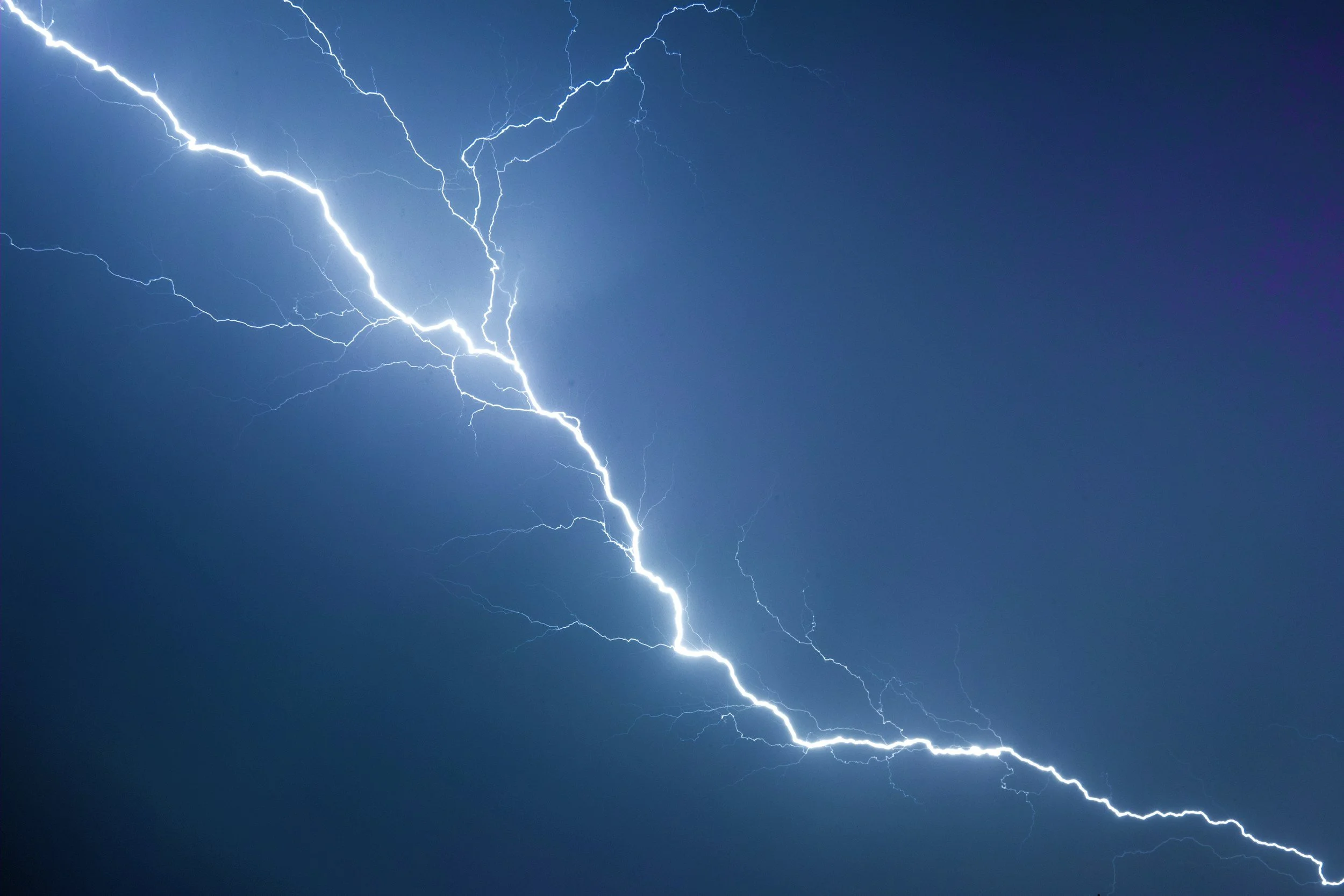
How Lightning Can Affect Your Air Conditioner
Lightning doesn't have to strike your outdoor unit directly to cause damage. A nearby strike can send a powerful electrical surge through your home's wiring, damaging sensitive HVAC components such as the compressor, capacitor, contactor, or control board. Even if your system appears to be running normally after a storm, hidden electrical damage can reduce efficiency or lead to unexpected breakdowns weeks later.
How to Protect Your Trane AC During Storm Season
Florida homeowners can take several simple steps to reduce the risk of storm-related HVAC damage. If severe weather is expected, consider turning off your air conditioner at the thermostat and breaker before the storm arrives. Installing a professionally installed HVAC surge protector can also provide an extra layer of defense against voltage spikes. According to Trane's storm preparedness guide, surge protection is one of the best long-term investments for protecting your air conditioning system.
What Should You Do After a Thunderstorm?
Once the storm has passed, inspect your outdoor unit for visible debris or damage before turning the system back on. If your Trane AC won't start, is making unusual noises, or isn't cooling your home properly, it's best to schedule a professional inspection. Electrical damage isn't always visible, and operating a damaged system can lead to more extensive repairs.
At Gator Heating and Air Conditioning, our experienced technicians help Clermont homeowners diagnose storm-related HVAC issues quickly and safely. Whether it's a damaged capacitor, control board, or another electrical component, we'll identify the problem and recommend the right solution to restore your comfort.
Frequently Asked Questions
1. Can lightning really damage my air conditioner?
Yes. Even a nearby lightning strike can create a power surge that damages your HVAC system's electrical components.
2. Will a surge protector completely protect my AC?
A professionally installed HVAC surge protector greatly reduces the risk of damage from electrical surges, but no device can guarantee protection from a direct lightning strike.
3. Should I turn my AC off during a thunderstorm?
If severe weather is approaching, many HVAC professionals recommend turning the system off at the thermostat and breaker to reduce the chance of surge damage.
4. How do I know if my AC was damaged after a storm?
Watch for signs like warm air, unusual noises, tripped breakers, burning odors, or a system that won't turn on. If you notice any of these, schedule a professional inspection.
Storm season is a fact of life in Clermont, FL, but damage to your HVAC system doesn't have to be. If you suspect your Trane AC was affected by lightning or a power surge, trust the experienced team at Gator Heating and Air Conditioning. We provide expert inspections, repairs, maintenance, and Trane system installations to help keep your home comfortable through every season. Contact us today to schedule your service.